Go Back

As the first snowflakes dust the rolling hills of Bern, a gentle hush descends over the Swiss capital, inviting the elite traveler to seek solace in spaces where art and architecture converse in whispers. Here, amid the crisp winter air, the Zentrum Paul Klee emerges not merely as a museum but as a symphony of sophistication. A wave-like edifice by Renzo Piano that blends seamlessly into the frosted landscape, evoking the serene elegance of a private alpine estate. For those attuned to the finer rhythms of life, this cultural jewel embodies the essence of winter luxury in Switzerland: a realm where contemplation meets opulence, far from the bustling slopes yet infused with the season's crystalline purity.
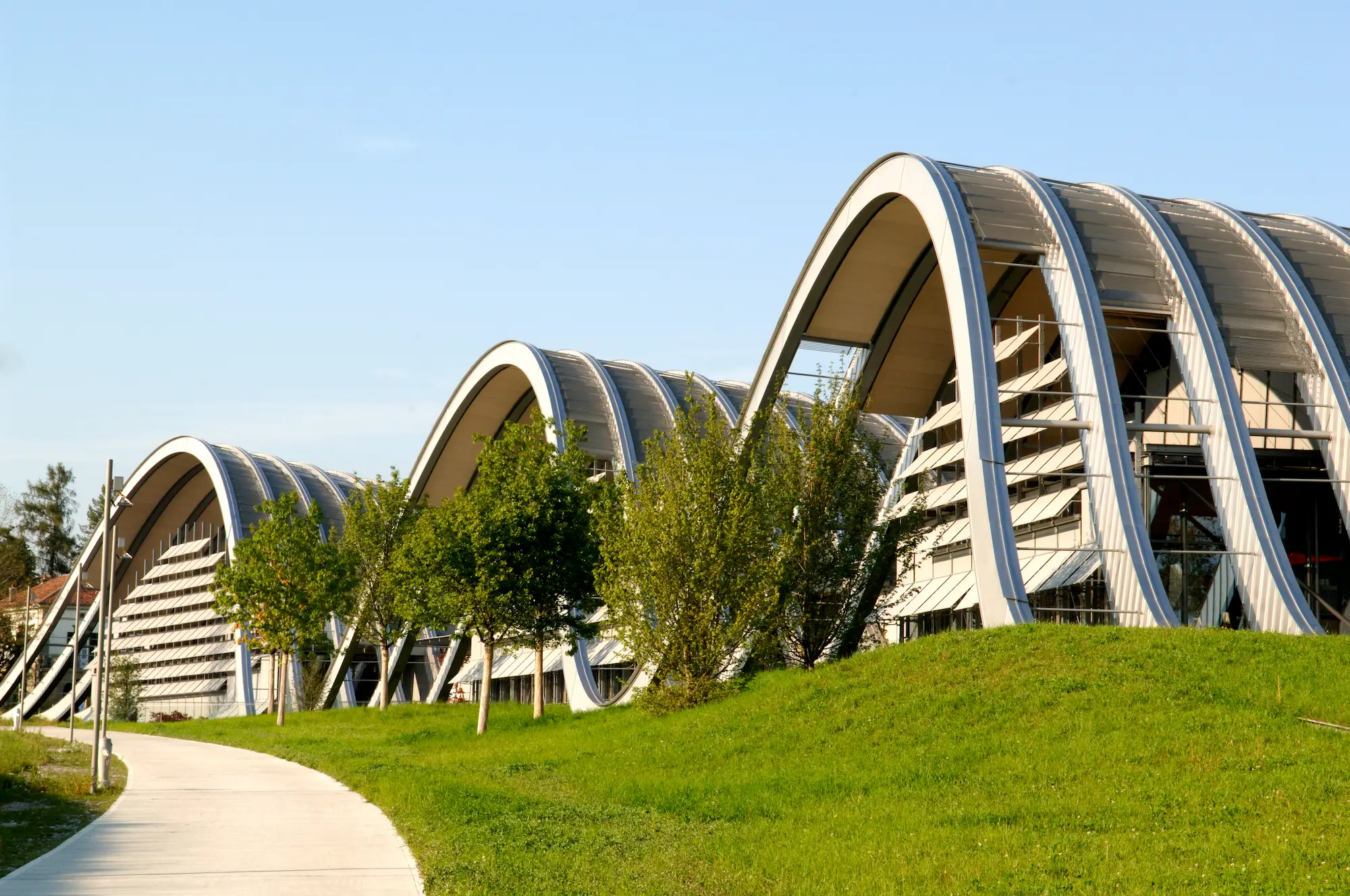

Crafted in 2005, the Zentrum Paul Klee's architecture is a testament to harmonious design, its three undulating steel-and-glass hills mirroring the surrounding Bernese countryside. In winter, the structure takes on an ethereal quality, with snow accentuating its organic curves and vast skylights bathing interiors in soft, diffused light. Piano, the Pritzker Prize laureate behind icons like the Centre Pompidou, envisioned it as a "landscape building" a luxury in itself for aesthetes who value spaces that dialogue with nature. Visitors often describe arriving via a chauffeured transfer from Bern's historic center, stepping into a world where the building's warmth contrasts the external chill, much like savoring a rare vintage by a fireside.
For collectors and cultural insiders, the center's integration of art and environment offers profound insights. Housing over 4,000 works by Paul Klee, the largest collection globally, the permanent exhibition "Kosmos Klee" rotates pieces for conservation, ensuring each winter visit unveils new facets of the artist's multifaceted genius. Klee's abstract explorations of color and form, influenced by his Bauhaus tenure, resonate deeply in this setting, where the architecture amplifies themes of fluidity and innovation.


Dominating the winter program until February 22, 2026, is "Anni Albers: Constructing Textiles," the artist's first solo show in Switzerland. Albers, a Bauhaus pioneer who fled Nazi Germany in 1933 with husband Josef, revolutionized weaving as an architectural art form. Her pictorial weavings—monumental tapestries blending ancient Peruvian influences with modernist experimentation—evoke a tactile serenity ideal for winter reflection. Pieces like "Ancient Writing" (1936), with its knotted codes and shimmering threads, invite affluent collectors to ponder the interplay of craft and high design, perhaps inspiring acquisitions for private estates.
Albers' connection to Klee, her admired teacher, adds layers of cultural depth. As Nina Zimmer, the center's director, notes in recent statements, such exhibitions affirm museums' societal role, drawing over 165,000 visitors to the Zentrum in 2025 alone. For elite travelers, private guided tours (available in multiple languages) provide exclusive access, allowing unhurried appreciation amid the exhibit's acoustic innovations—fabrics designed for sound absorption, a nod to Albers' functional elegance.
Launching January 24, 2026, "Fokus. Hans Fischli (1909–1989)" spotlights the Swiss Bauhaus student's early works, including the poignant "Zellengebilde" series, delicate ink and colored-pencil drawings created during his 1930 imprisonment for refusing military service. These organic forms, blending human and mythical elements, offer a contemplative counter to winter's stark beauty, raising questions about modernism amid historical upheaval. Curated by Fredi Fischli and Niels Olsen, the show extends to Fischli's architectural endeavors, such as wartime designs for war orphans' villages, appealing to philanthropically minded insiders.
Complementing these are the center's interdisciplinary offerings: Creaviva studios for bespoke creative workshops, where guests might experiment with form under expert guidance. A luxurious nod to hands-on artistry. The surrounding fruit and community gardens, blanketed in snow, provide serene walks with panoramic views, enhancing the site's holistic appeal.


Winter at the Zentrum transcends visual art, embracing a multisensory luxury. The auditorium hosts master concerts, such as the January 18, 2026, performance by violinist Daniel Lozakovich and pianist David Fray, where classical melodies echo through Piano's acoustically refined spaces. Literary readings, including Kristine Bilkau on January 25 and Katerina Poladjan on February 8, draw high-society crowds, fostering intimate discussions over post-event aperitifs.
Dining elevates the experience at Restaurant Schöngrün, where seasonal Swiss cuisine, think venison with winter truffles, pairs with regional wines in a glass-enclosed setting overlooking the snow-draped grounds. For events, the center's banquet facilities accommodate exclusive gatherings, from corporate retreats to private viewings, underscoring its status as a versatile luxury venue.
© All imagery courtesy of Zentrum Paul Klee; 2025 The Josef and Anni Albers Foundation/ProLitteris, Zurich; György Kepes Estate (Imre Kepes and Juliet Kepes Stone)