Go Back

As snow blankets the majestic Alps, casting a serene hush over Geneva's lacquered streets, one enters a boutique where firelight dances on polished cases. The air carries the faint chime of precision movements, a symphony of Swiss heritage. In this winter tableau, horology transcends timekeeping.
In the frost-kissed valleys of the Vallée de Joux, where winter's clarity sharpens the mind, reside the revered "Holy Trinity", Patek Philippe, Audemars Piguet, and Vacheron Constantin. These maisons, steeped in centuries of innovation, appeal to cultural insiders who view watches as generational artifacts.
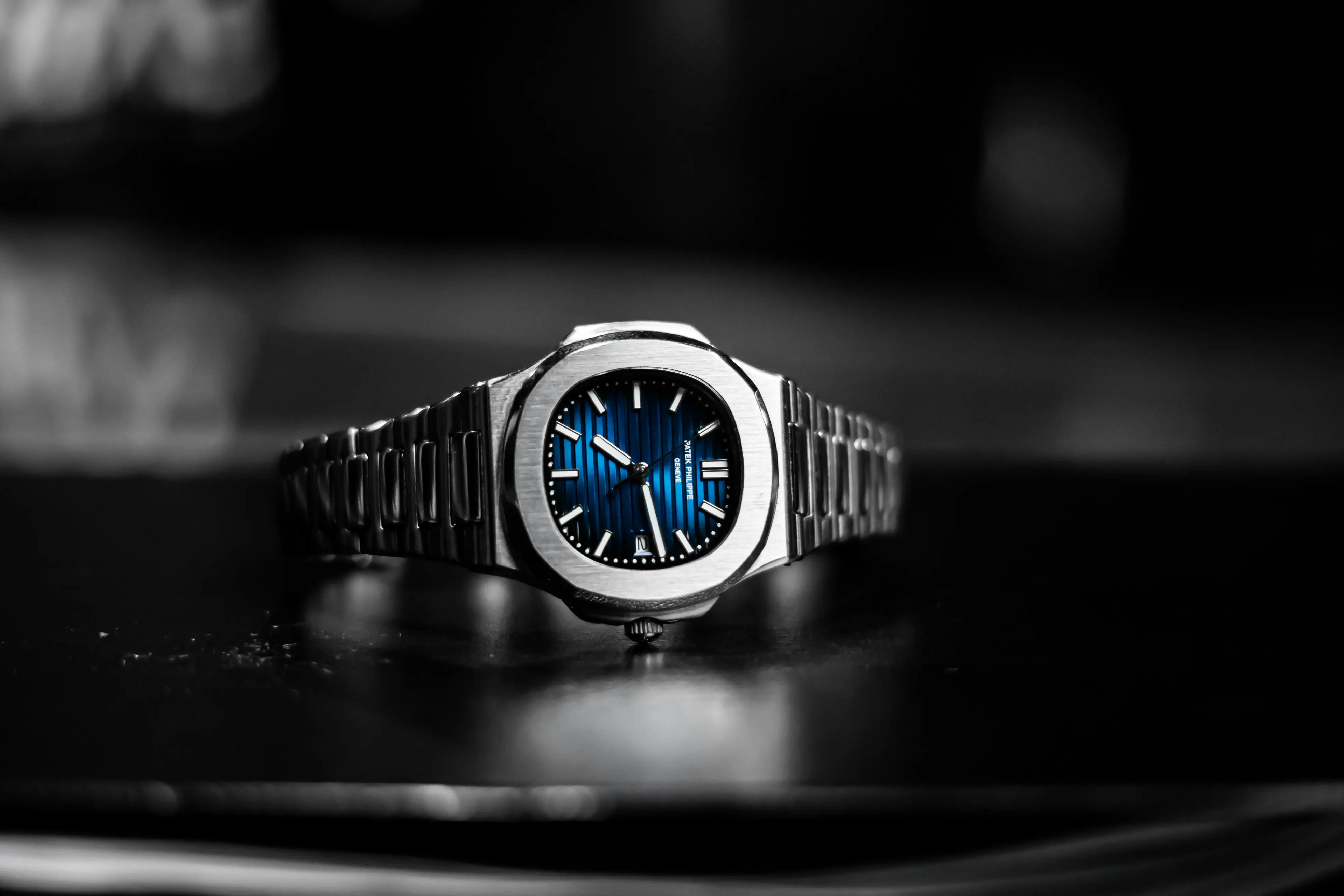
Patek Philippe, founded in 1839, reigns with its Nautilus and Calatrava lines, blending sporty allure with grand complications like perpetual calendars. As it celebrates the Nautilus's 50th anniversary in 2026, expect commemorative editions in precious metals, ideal for winter soirées. Research highlights its 5.6% market share and leading secondary market gains, underscoring its investment appeal, prices rose over 22% in 2025, yet demand persists among elites.
Audemars Piguet, established in 1875, revolutionized luxury with the Royal Oak's octagonal bezel, now evolving into the Code 11.59 collection. Its use of sand-gold and bulk metallic glass innovations positions it for 2026 growth, with certified pre-owned programs launching. For affluent collectors, the Royal Oak's integrated bracelet evokes winter's structured beauty, much like snow-laden pines.

Vacheron Constantin, dating to 1755, offers the Overseas line for the discerning traveler, perpetual calendar skeletons that whisper of bespoke artistry. Under new leadership, its 2.7% market share surged in 2025, blending modern sports design with Maltese cross motifs. Winter visits to its Geneva manufacture reveal the serenity of hand-polished movements, a meditative counterpoint to the season's hush.

No Swiss winter luxury narrative omits Rolex and Omega, brands that dominate with 30.3% and 7.5% market shares, respectively. Their precision mirrors the Alps' unyielding geometry, drawing collectors to boutiques in Zurich's Bahnhofstrasse amid twinkling lights.
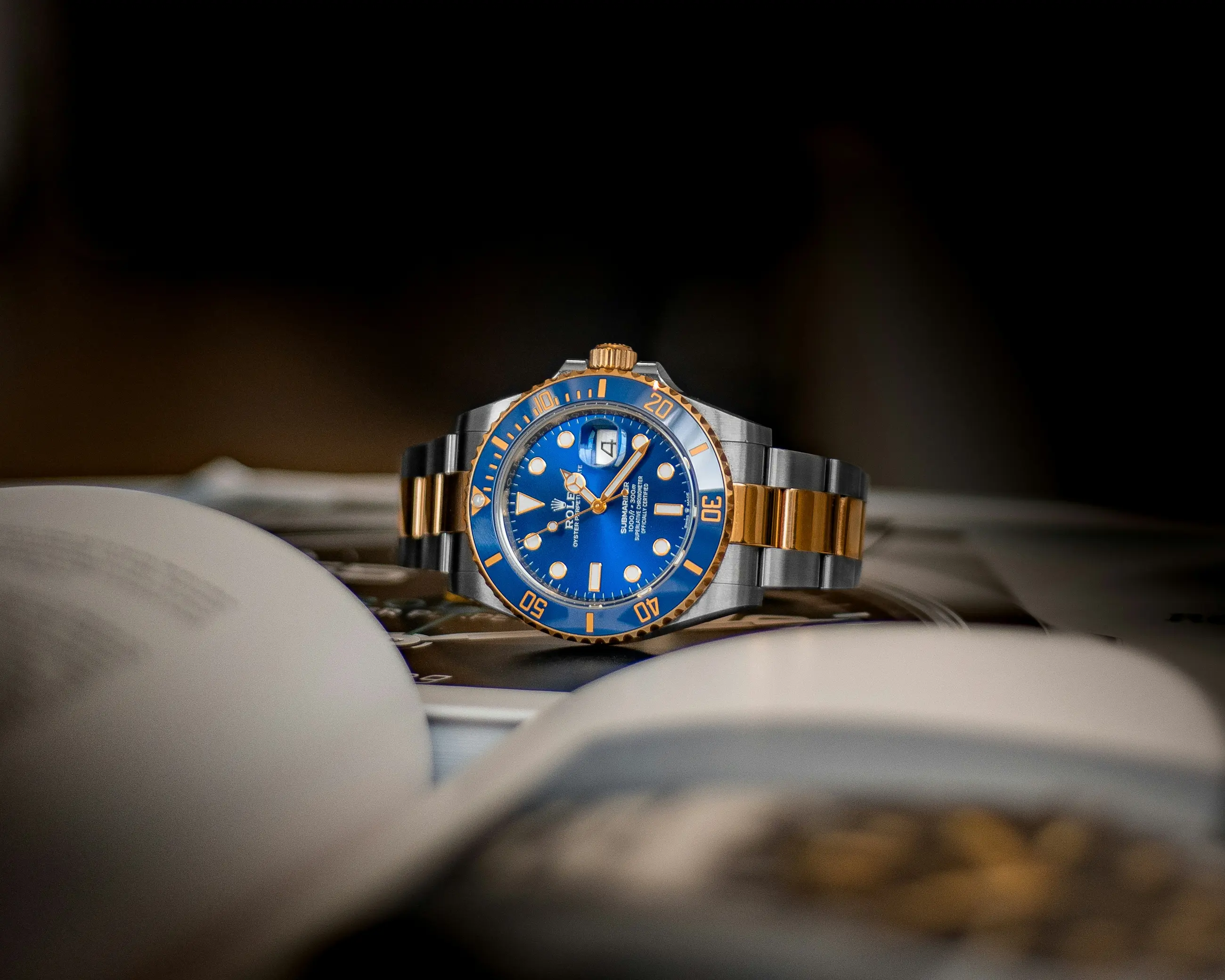
Rolex, iconic since 1905, defines resilience with the Submariner and Daytona. In 2026, anniversaries for the Day-Date and potential Milgauss revival promise surprises, following 2025's 7% U.S. price hikes. For high-society travelers, a Rolex is a liquid asset, secondary values rose amid economic shifts, perfect for après-ski discretion.
Omega, from 1848, pioneered the co-axial escapement and Master Chronometer certification. Its Speedmaster, first on the Moon, gains winter resonance with the 2026 Milano Cortina edition's frosty blue dial and Olympic emblem, evoking alpine pursuits. Affordable yet elite, Omega's ceramic innovations suit aesthetes seeking magnetic-resistant reliability for snowy expeditions.
Switzerland's watchmaking legacy, forged in the Jura Mountains' winter isolation, draws global elites to Geneva and Le Locle for bespoke experiences. Factories like Patek Philippe's offer tours revealing hand-assembly, a ritual of precision akin to crafting snowflakes.

© All imagery courtesy of Diniy Salleh, m G, Gunnar Hoffmann, Say S., Pasqualino Capobianco