Go Back
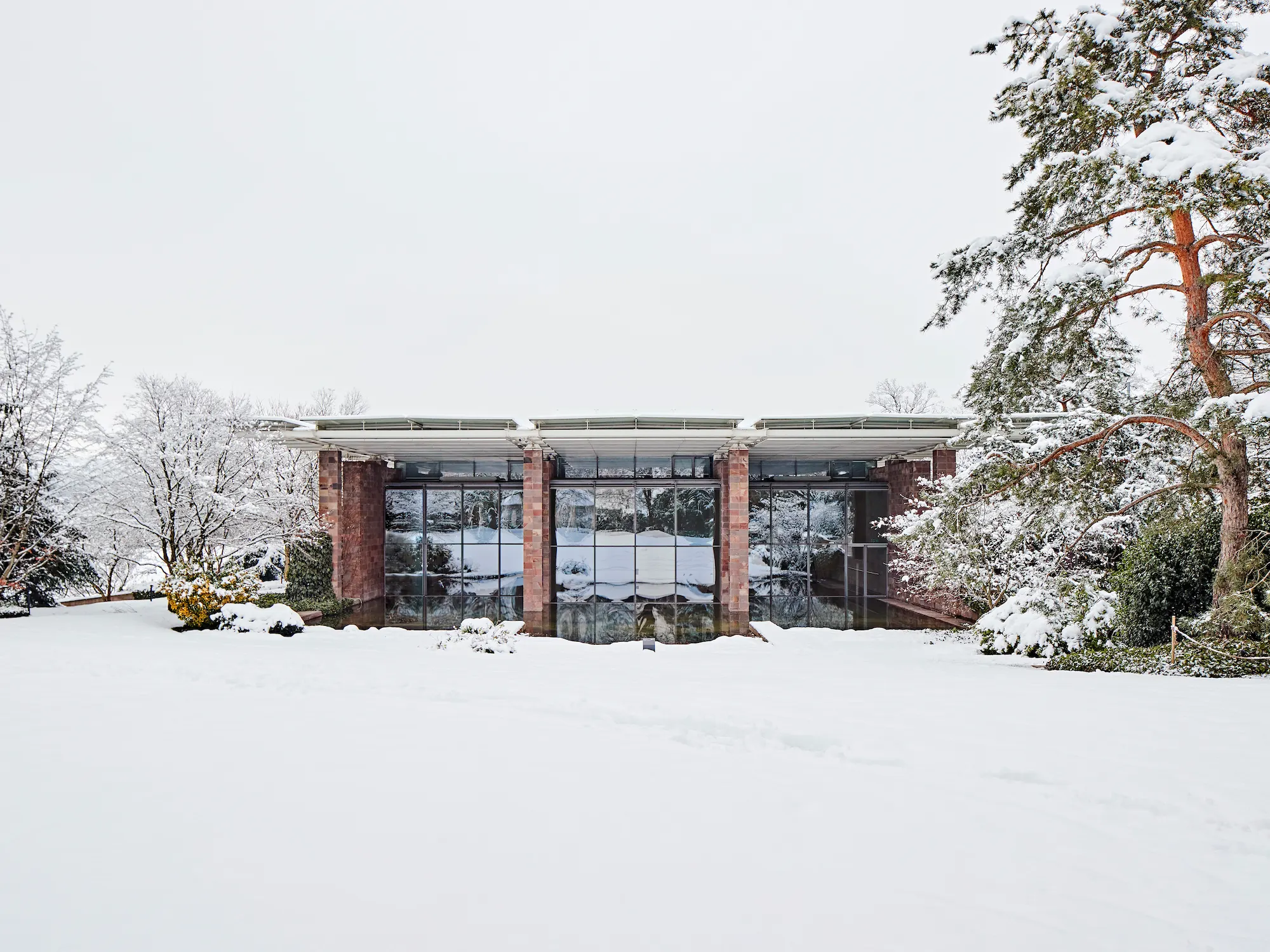
As dawn breaks over snow-dusted Riehen, a crystalline stillness settles on the Berower Park. Bare tree branches etched in frost frame views across grazing pastures to the Black Forest foothills, and the sky blushes with the first light of winter. In this serene landscape, Renzo Piano’s glass-roofed pavilion emerges like a vision, its warm stone walls blending seamlessly into nature. The Fondation Beyeler has long been celebrated as one of the world’s most beautiful museums, artfully sinking into the surrounding park with water-lily ponds and centuries-old trees.
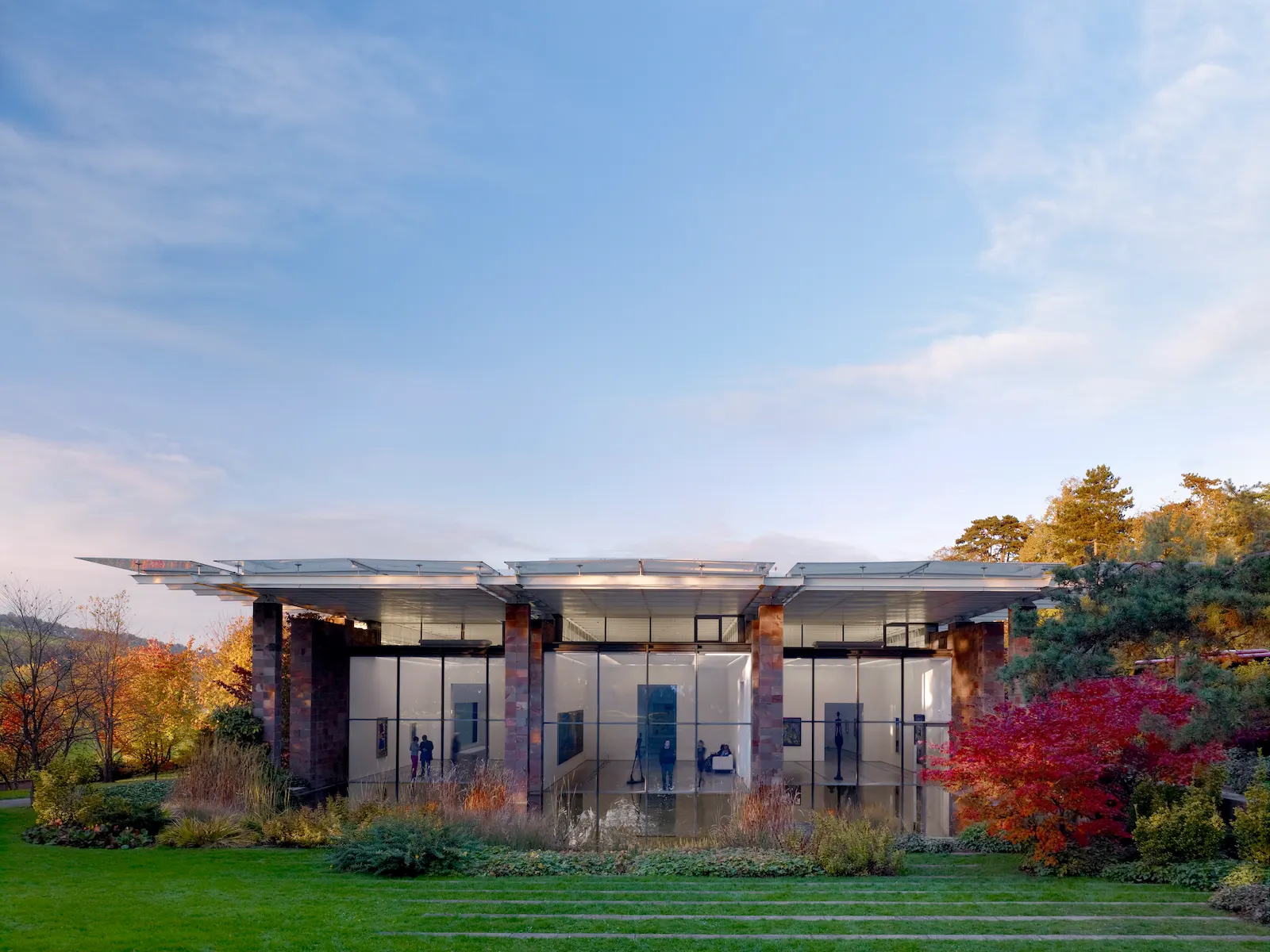
Founded by legendary dealer Ernst Beyeler in 1997, the museum was visionarily sited on the villa estate’s parkland and realized by Renzo Piano without competition. Piano’s design, a low, terraced complex of interlocking wings, was deliberately made of three wings adapted to the terrain, so that the stone facades and green roof would appear as natural as the moss and lilies outside. The result is a structure that feels less like a building and more like a crystalline landscape feature. By daylight, the Beyeler’s smooth volcanic-pink walls and broad glass planes absorb the shifting winter skies, and by night its glowing interior casts an otherworldly glow on the snow. Visitors often feel the museum itself becomes part of the art, a place where nature and modernism entwine.


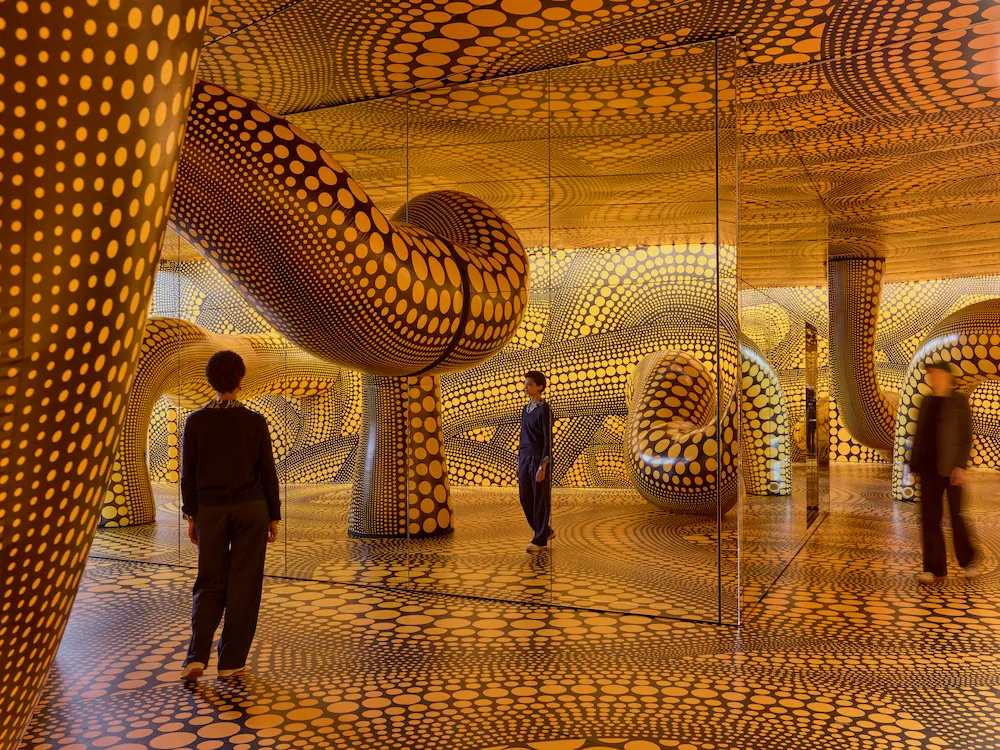
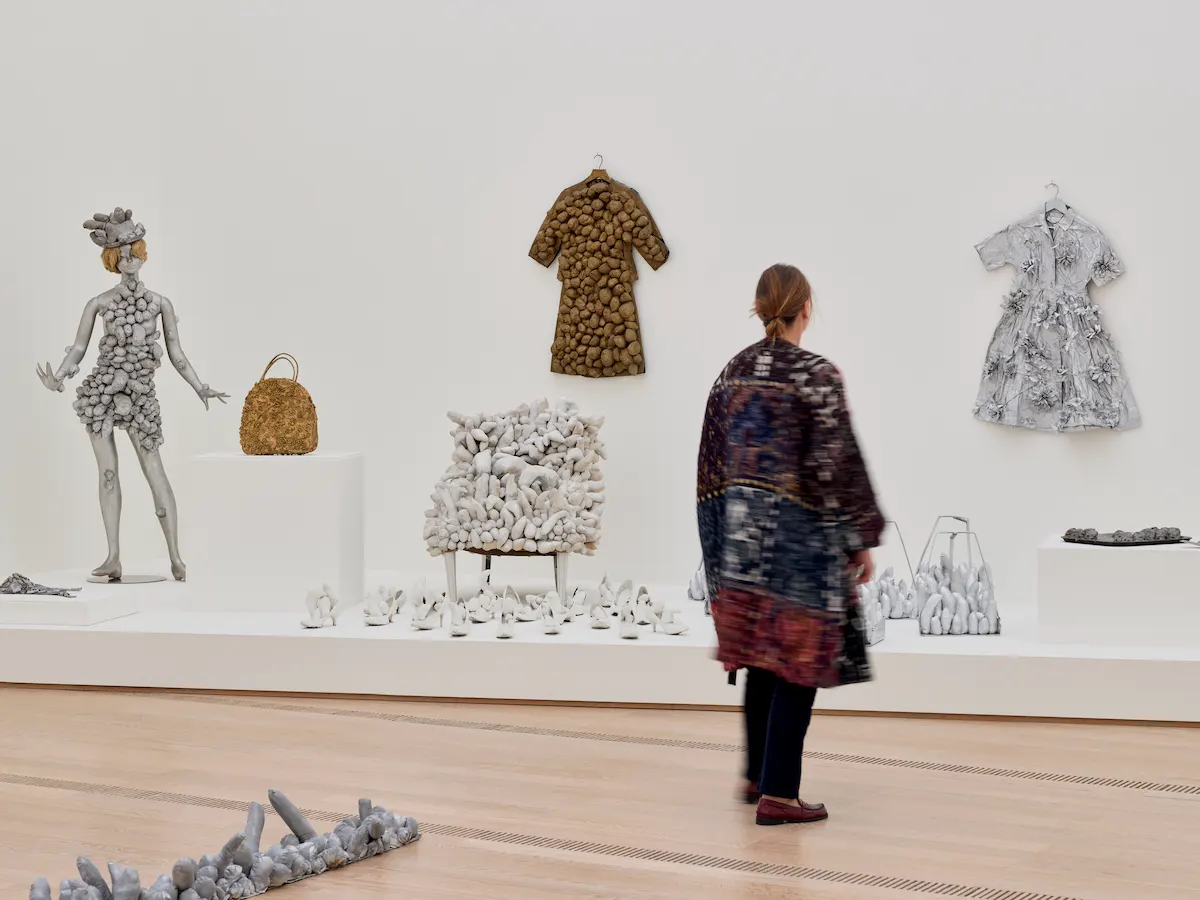
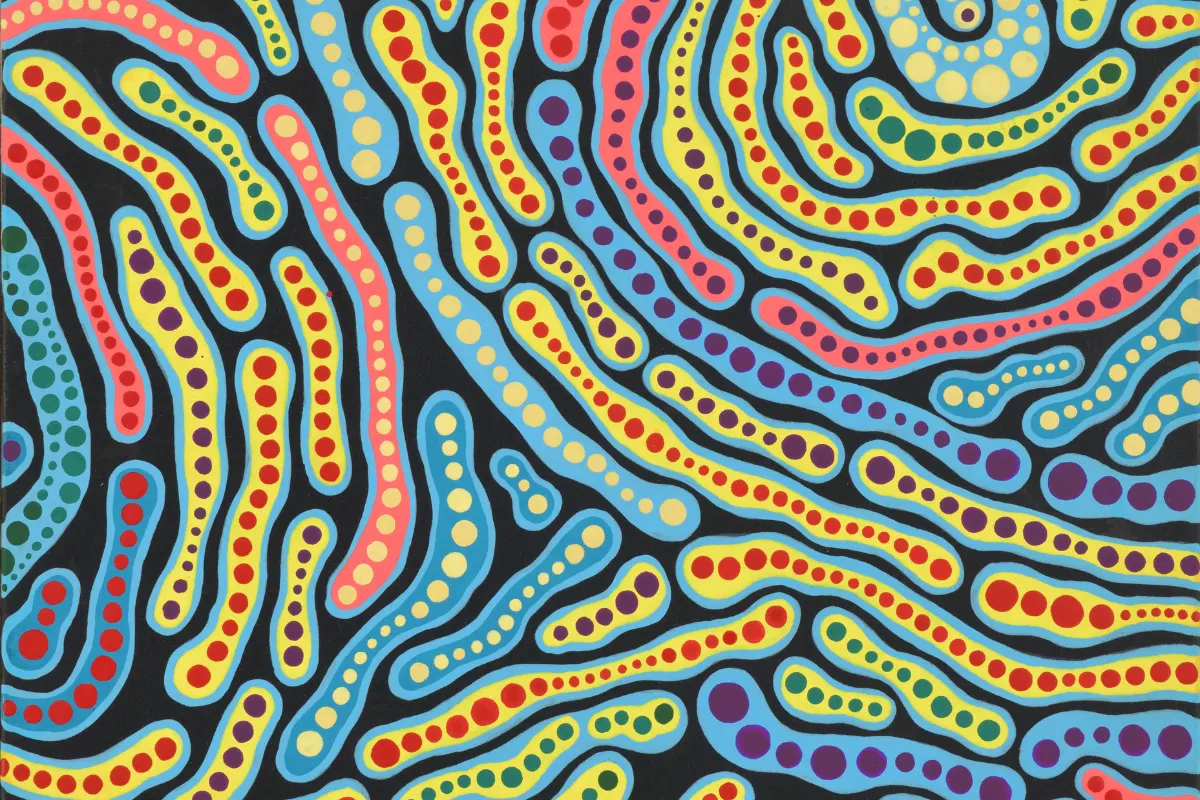
This winter, the Beyeler’s crystalline galleries host a dazzling encounter with another master of serenity and spectacle: Yayoi Kusama. From October 12, 2025 through January 25, 2026, the museum presents the first-ever Swiss retrospective of Kusama’s work, a sweeping, seven-decade survey bringing together over 300 works from around Europe and Asia. Curated in close collaboration with the artist and her studio, the exhibition reads like a contemplative winter solstice journey through Kusama’s cosmos. In one gallery you will find her intimate 1950s watercolors and polka-dot canvases, and beyond them a burgeoning field of her signature Infinity Nets. Elsewhere, mirrored installations and the iconic Narcissus Garden sculpture immerse you in seemingly boundless spaces.
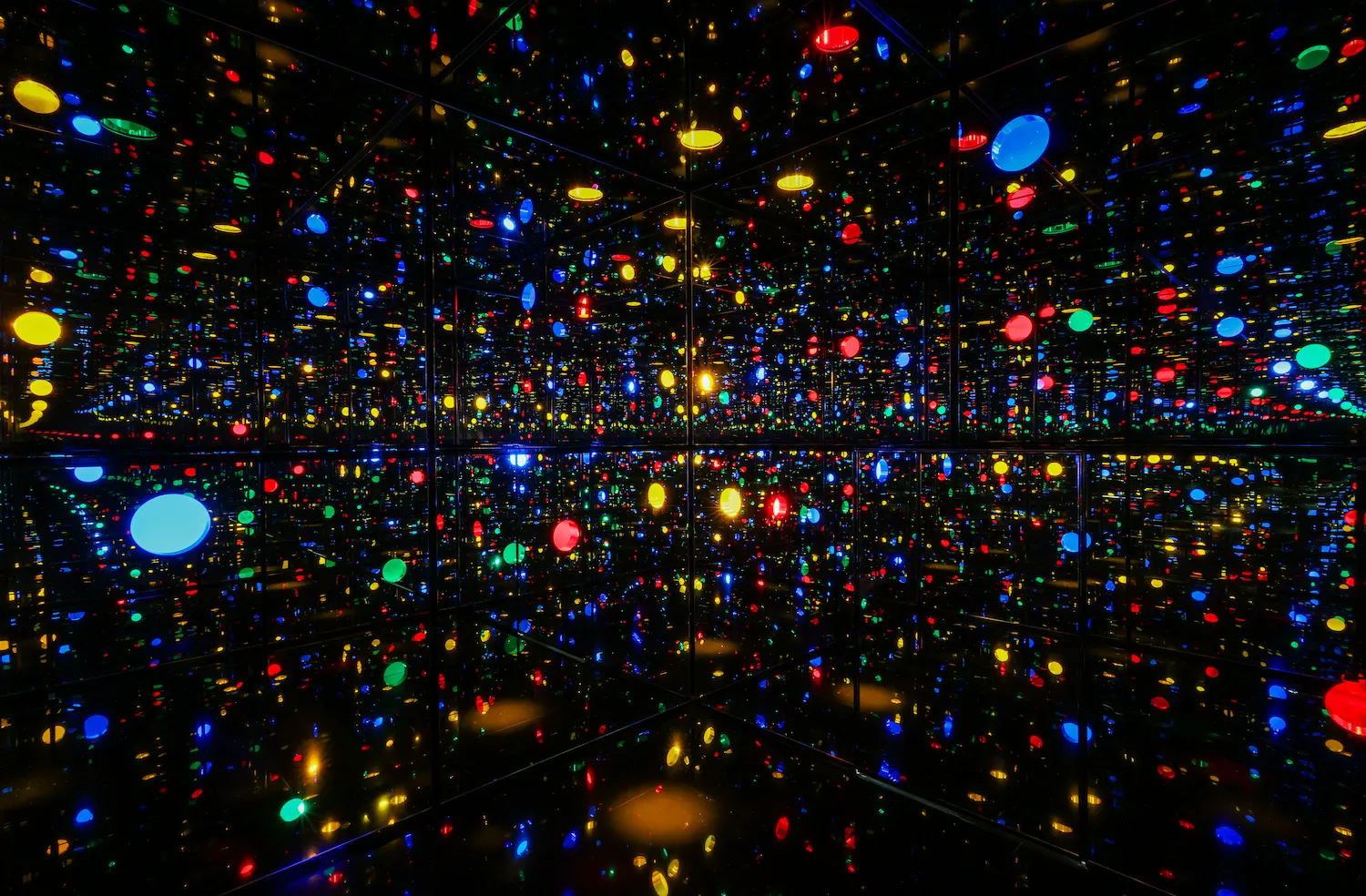
Central to Kusama’s vision is the idea of infinity, not merely as a clever visual trick but as a spiritual and psychological state. In her art, endless repetition and mirrored light become meditations on life’s vast cycles. Indeed, standing inside one of her Infinity Mirrored Rooms, now specially commissioned for this show, feels like wandering inside a snow-globe cosmos. Every twinkling light seems to dissolve the boundaries between one viewer and another, between object and infinite space. It is an experience of gentle obliteration, of the ego melting into the sublime.
For the winter exhibition, Kusama has even created new works: two dazzling mirrored-room installations appear for the first time in Switzerland. Among them is Infinity Mirrored Room – Illusion Inside the Heart, whose mirrored cube façade shimmers among the park’s snow-tinged trees, and interior lights that seem to be both everywhere and nowhere. The retrospective also includes Narcissus Garden (1966/2025) – Kusama’s celebrated sphere sculpture, now reinstalled in the Beyeler’s water garden, where hundreds of stainless-steel globes bob like mercury drops in the frosty morning pond. Over 130 works on display have never been shown in Europe before, ensuring even connoisseurs will discover rare treasures.

Alongside Kusama’s retrospective, the Beyeler’s collection galleries offer a special dot-themed exhibition. “A Brief Art History of the Dot” runs October 4, 2025–January 4, 2026, illuminating the humble spot in art from Cézanne’s specks of color to Warhol’s pop polka-dots. This collection presentation takes the exhibition’s motif as a philosophical lens: the dot is described as “the smallest pictorial element, a basic geometric concept and symbol of creative and spiritual significance”. Curated alongside Kusama, it feels like a spiritual encore, visitors can trace how artists from Kandinsky and Miró to Kusama herself have used dots as meditative marks and cosmic punctuations. For the cognoscenti and casual visitors alike, the pairing of the two shows underscores a simple truth: in art as in winter, even the smallest point can open onto infinity.

In the cool hush of a Basel winter, the Fondation Beyeler offers warmth and wonder in equal measure. Here, cinéma verité moments await: drifting through fog among sculpture in the snowy park, sipping matcha by the fire in the lounge, or emerging blinking into dawn from a room of endless light. The museum’s directors and curators have crafted an experience that reads like a journey, one that appeals to the senses of the seasoned traveler. It is a place where collectors can gaze at art by candlelight, aesthetes can commune with nature under frosted skies, and cultural insiders can clink crystal glasses to Kusama’s infinite spirits in gala nights.
By combining world-class architecture with visionary exhibitions, Fondation Beyeler has cemented its prestige on the global stage. And this winter, under a soft veil of snow, it feels more essential than ever: an art-world sanctuary perfectly aligned with the elegance and discerning eye of CINCH Magazine’s readers. In Riehen’s park, where nature’s palette meets curated genius, the Beyeler stands as a crown jewel of Swiss winter culture, a shimmering tableau of inspiration and infinity.
© All imagery courtesy of Mark Niedermark, Yayoi Kusama, Fondation Beyeler