The Night London Belongs to Film
Courtesy of Hauser & Wirth
Courtesy of Astra Marina Cabras
Courtesy of LA Art Show
Courtesy of Lukas Gansterer
Courtesy of Henge
Courtesy of Andreas Simopoulos
Courtesy of Dave Benett
Courtesy of Japan Mobility Show
Courtesy of ART Cologne
Courtesy of whenobjectswork / Kate Hume
Courtesy of Ivan Erofeev
Courtesy of Stéphane ABOUDARAM - WE ARE CONTENT(S)
Courtesy of Sacha Moreau / Global Gift Gala Monaco
Courtesy of Fadi Al Shami
Courtesy of Sofia Hartmann
Courtesy of Historyhd
Courtesy of Mick De Paola
Courtesy of the artist (c) VG Bild-Kunst, Bonn 2025. Photography by Jens Ziehe.
Courtesy of Yasamine June
Courtesy of Rawisara Prachaksubhanit
Courtesy of Mariia Dred for Berlin Fashion Week
Courtesy of Michael Fousert
Courtesy of Raden Prasetya
Courtesy of Antonia Tewes
Courtesy of Antonia Tewes
Courtesy of Carlo Bazzo
Courtesy of Artem Zakharov
Courtesy of James Cochrane / Copenhagen Fashion Week SS26
Courtesy of Fashion Week Studio
Courtesy of Burak Goraler / AFW
Courtesy of Antonia Tewes
Courtesy of SF / Luigi Caputo
Courtesy of Bruno Cordioli / CC BY 2.0 via Wikimedia Commons
Courtesy of Dubai Fashion Week / Ruzaini Official
Courtesy of Frieze Seoul 2025 / Wecap Studio
Courtesy of LecartPhotos
Courtesy of Jacopo Salvi / La Biennale di Venezia / ASAC Photo
Courtesy of Campione d’Italia’s Classic Circuit
Courtesy of Maxi Yacht Rolex Cup
Courtesy of Jochem Raat
Courtesy of Corey Watson
Courtesy of Pitti Immagine / Fragranze
Courtesy of Le Sable
Courtesy of Once Milano
Courtesy of Monaco Yacht Show
Photo by Darren Carroll/PGA of America
Courtesy of Guy Bell / British Art Fair
Photo by Sean Zanni / Patrick McMullan via Getty Images
Courtesy of Messe München GmbH / Thomas Plettenberg
Courtesy of ph G Martin-Raget/SNST
Courtesy of David Pupăză
Courtesy of Derek Rose
Courtesy of Jim Winslet
Courtesy of Millie Turner/BFI
Photo by Hugo Glendinning. Courtesy of Frieze
Courtesy of Rolex / Kurt Arrigo
Courtesy of Laura Dupuy
Courtesy of Palm Beach Show Group
Courtesy of Getty Images for Perelman Perfor
Courtesy of BFA 2025
Images credited Jason Alden courtesy of LAPADA
Courtesy of Informa Markets
Courtesy of The Qatar Boat Show
Courtesy of Getty Images for Baby2Baby
Courtesy of Jeanne Canto
Courtesy of Darian DiCianno
Courtesy of David Long/Cancer Research UK
Courtesy of Saslong Classic Club
Courtesy of Dieter Nagl für die Wiener Philharmoniker
Courtesy of Derek Rose
Courtesy of Lukas Gansterer
Courtesy of Sam Frost
A
T
I
S
I
O
O
T
M
I
L
L
L
C
S
S
T
T
A
T
H
F
T
E
F
O
A
T
F
I
T
T
T
T
I
I
T
I
O
P
S
A
S
U
O
A
E
G
B
I
A
I
L
I
T
M
O
G
U
I
L
S
N
I
D
U
T
A
F
I
W
F
O
A
A
M
L
I
V
I
I
S
A
J
ondon’s South Bank sparkled this October as the 69th BFI London Film Festival unfolded. An annual high point in the cultural calendar, the event transformed the capital’s cinemas and theatres into stages of high art and high style. With its storied heritage and international reputation, LFF is more than a movie showcase – it is a society affair. For the film and fashion set alike, from seasoned patrons to curious newcomers, this year’s festival reaffirmed London’s place on the global cinema map.
A Storied Tradition
From its inception in 1957, when Princess Margaret opened the new National Film Theatre under Waterloo Bridge, the LFF has blended royal patronage with film passion. Conceived as a “festival of festivals,” it initially screened only award-winners from Cannes, Venice and Berlin (Akira Kurosawa’s Throne of Blood opened the very first festival). Six decades on, the BFI London Film Festival has evolved into “one of the most essential, diverse and highly regarded festivals in the global calendar”. It remains devoted equally to home-grown cinema and international auteurs, championing both established masters and daring newcomers. Indeed, historic LFF programs famously introduced UK audiences to auteurs like David Lynch and Werner Herzog, and uncovered hidden gems long before they reached general distribution. In short, LFF is a cornerstone of London’s autumn cultural season – a tradition as much as a trendsetter.
Premieres and Red-Carpet Glamour
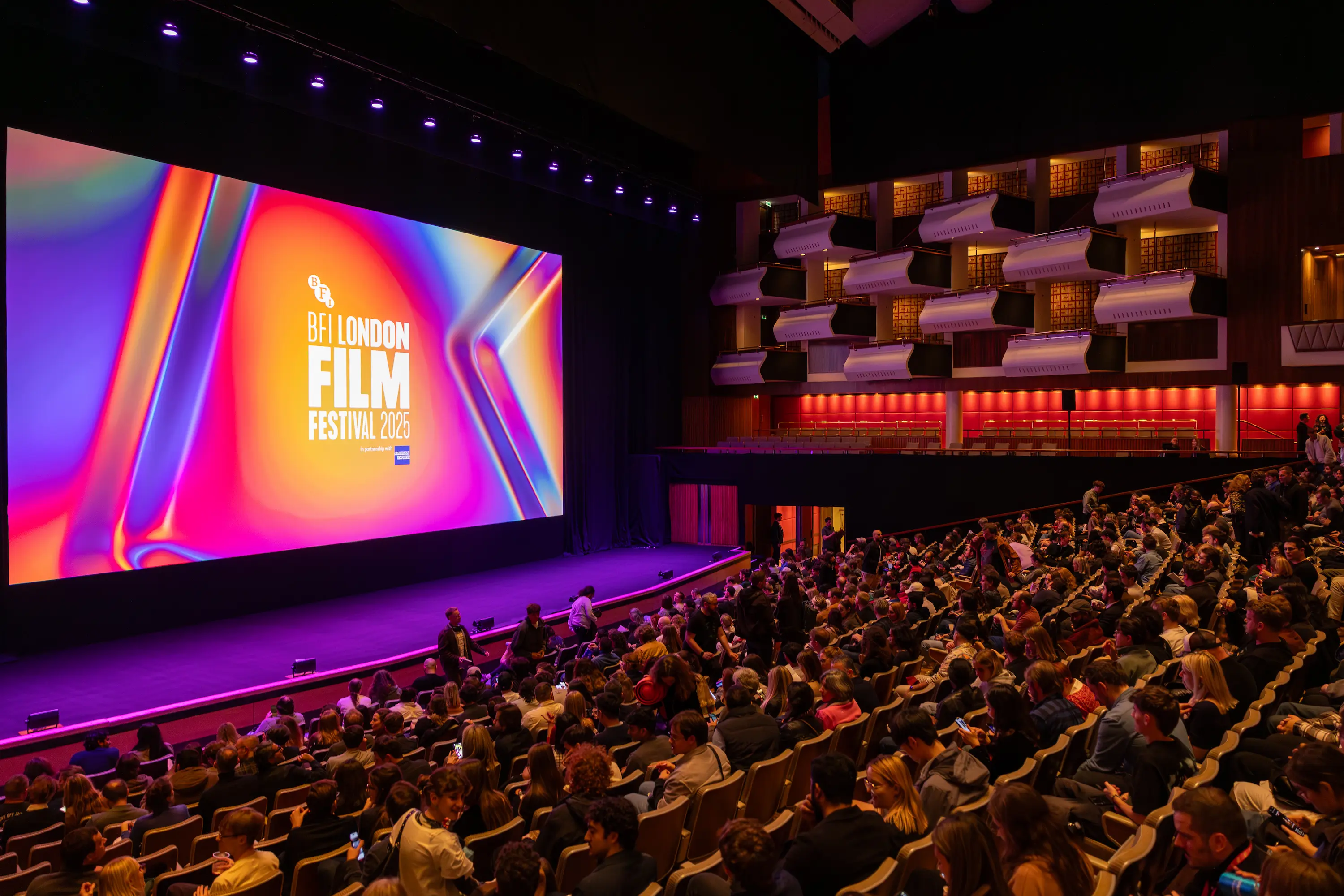
This year’s programme delivered star power and prestige befitting its legacy. The festival opened on October 8 with the international premiere of Rian Johnson’s Wake Up Dead Man: A Knives Out Mystery at the Southbank Centre’s Royal Festival Hall.

The gala screening drew an A-list crowd: Daniel Craig returned as detective Benoit Blanc, supported by Glenn Close and Bryce Dallas Howard, while Hollywood royalty (Rachel Weisz, Kerry Washington, Mila Kunis) turned out in force. Patrons with £1,000 “fundraising tickets” enjoyed an exclusive champagne reception and walked the red carpet before the screening – a quintessential example of the festival’s blend of charitable patronage and luxury experience.
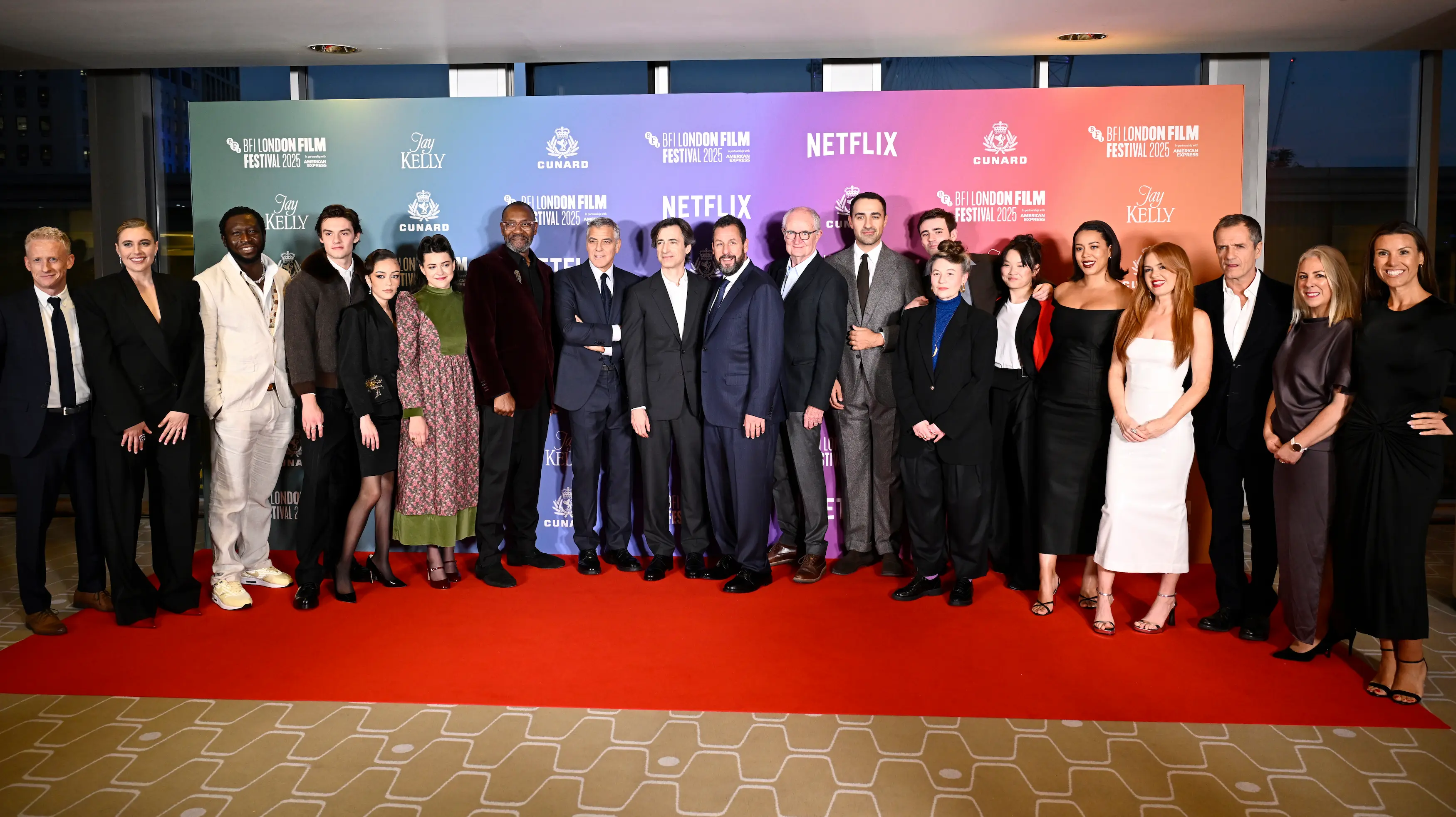
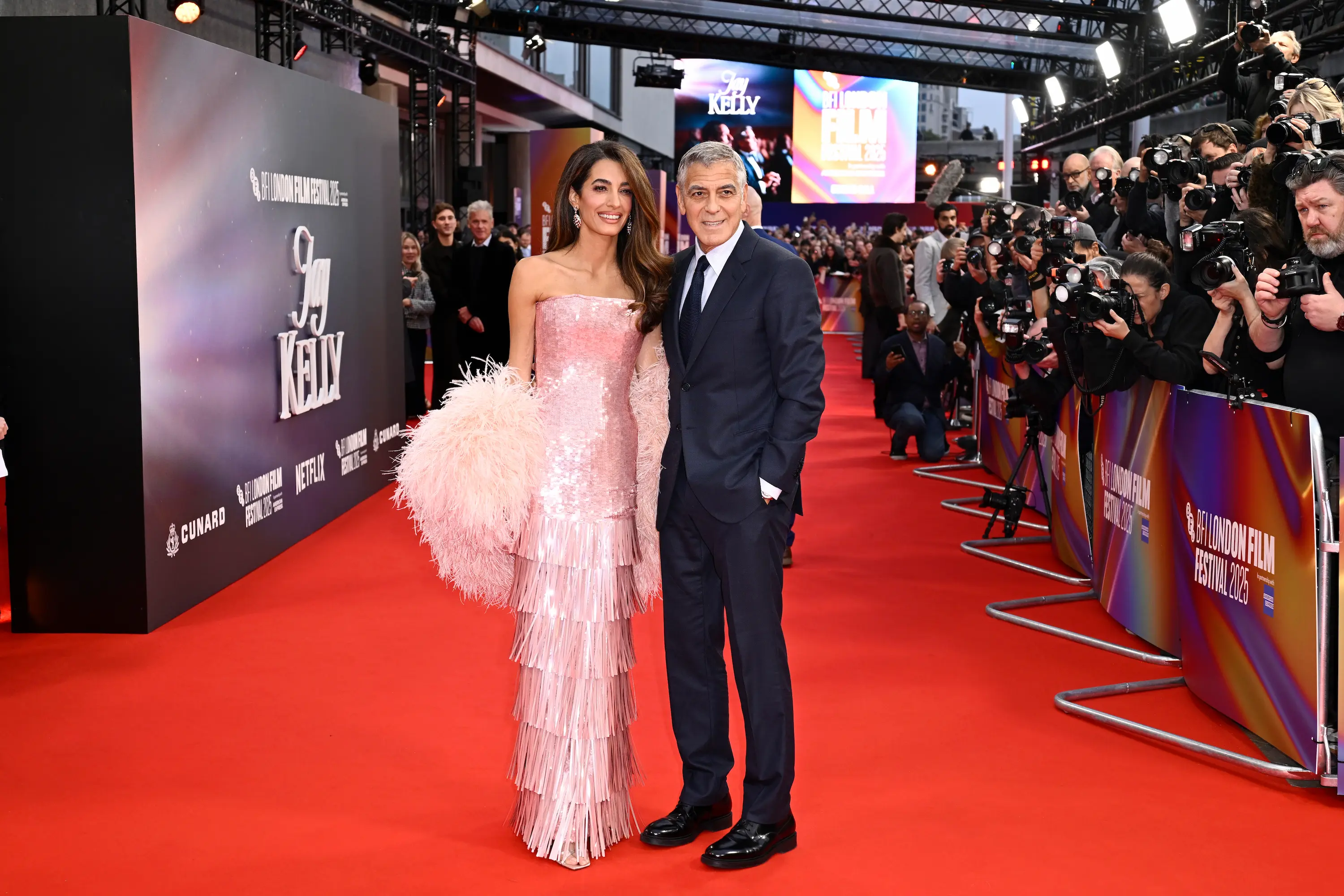
On subsequent nights, headline galas continued to glitter. At the Jay Kelly premiere (a George Clooney thriller), George and Amal Clooney stepped out in tuxedo and eveningwear to share the spotlight.
Emma Stone attended the Bugonia screening in a custom yellow gown, proving that even its political-thriller gala had an old-Hollywood glow.
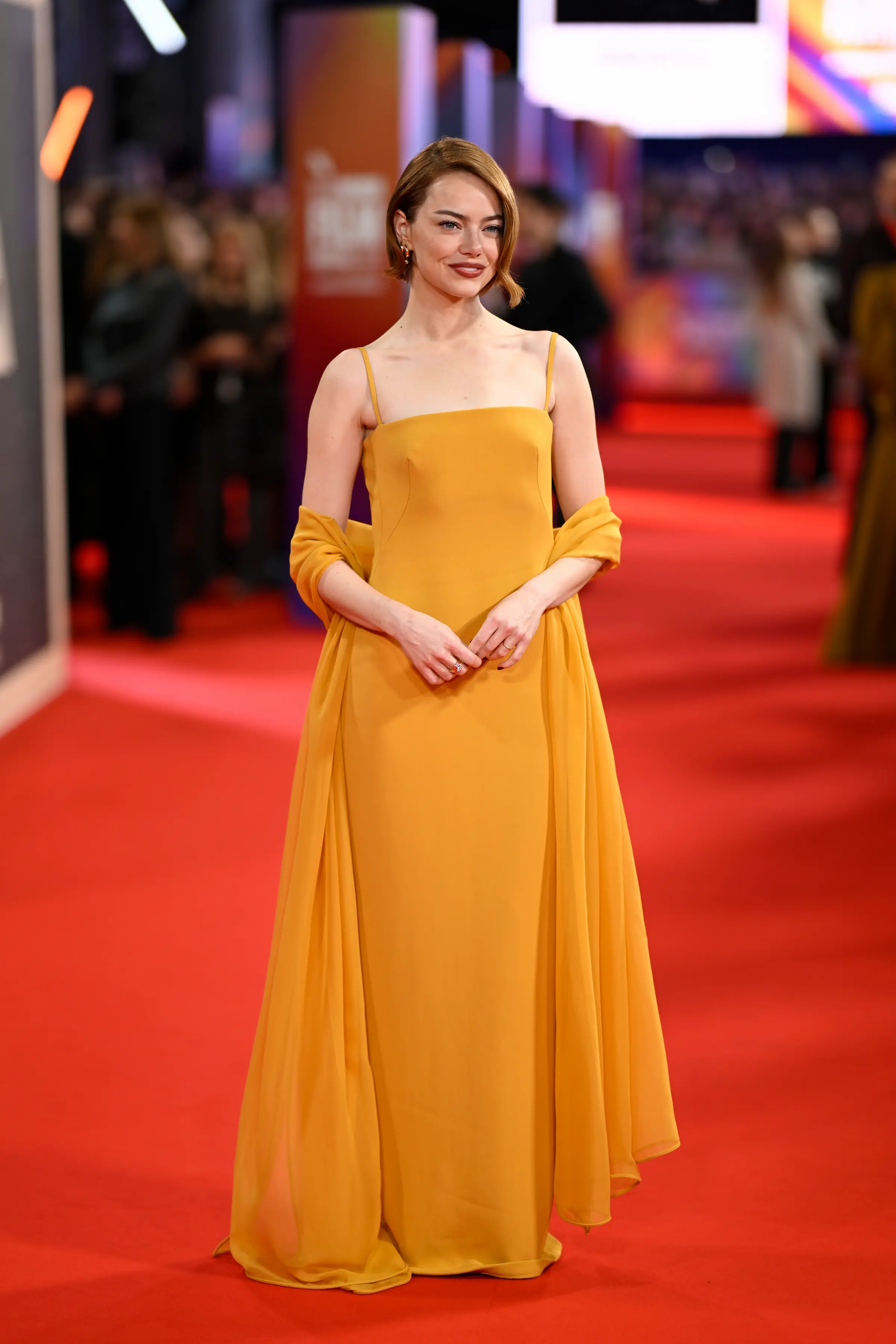
Jennifer Lawrence and Brendan Gleeson brought star wattage to their films’ London debuts, while Claire Foy co-starred in Philippa Lowthorpe’s H Is for Hawk on the closing night. In total, the 2025 festival showcased 247 films from 79 countries.
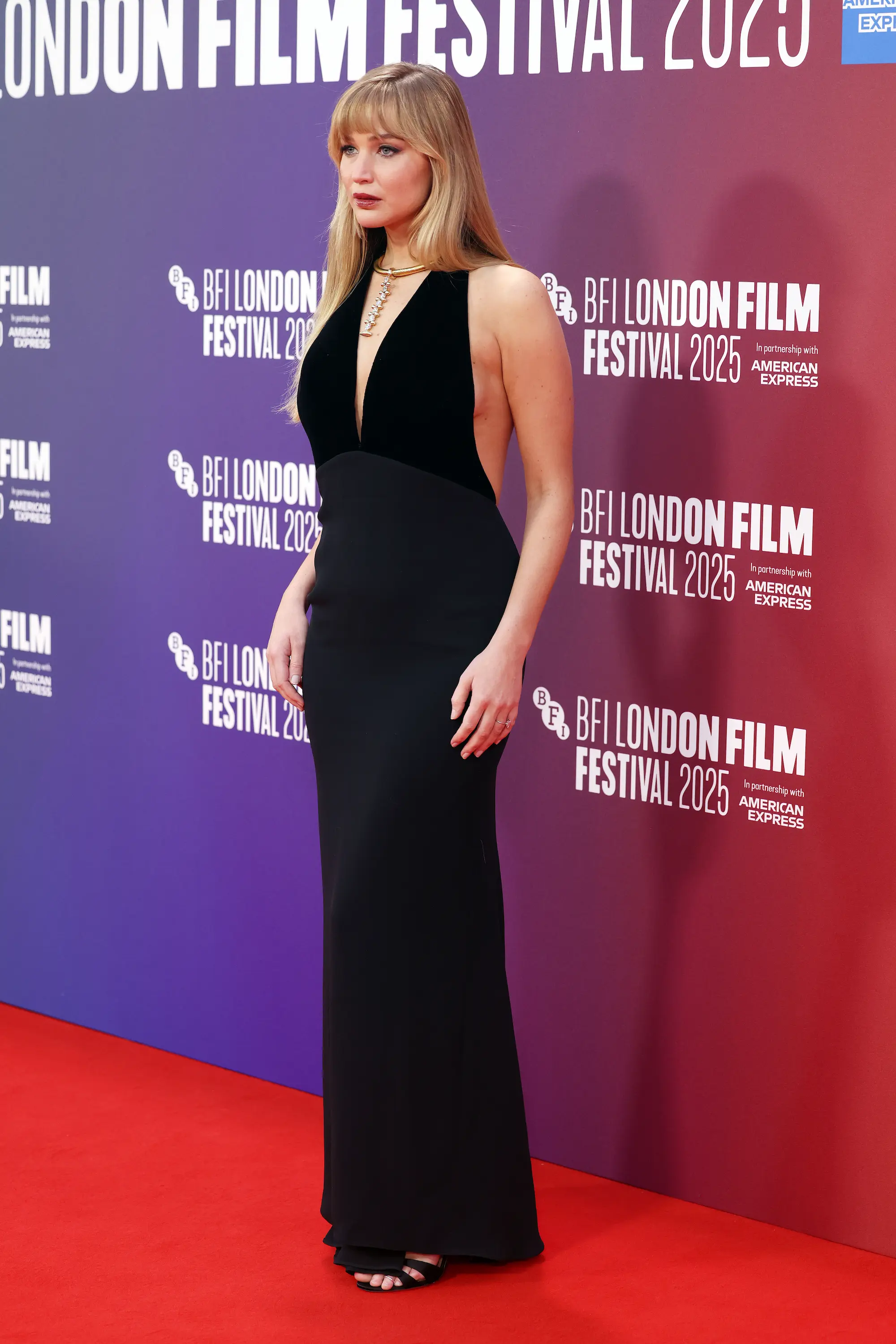
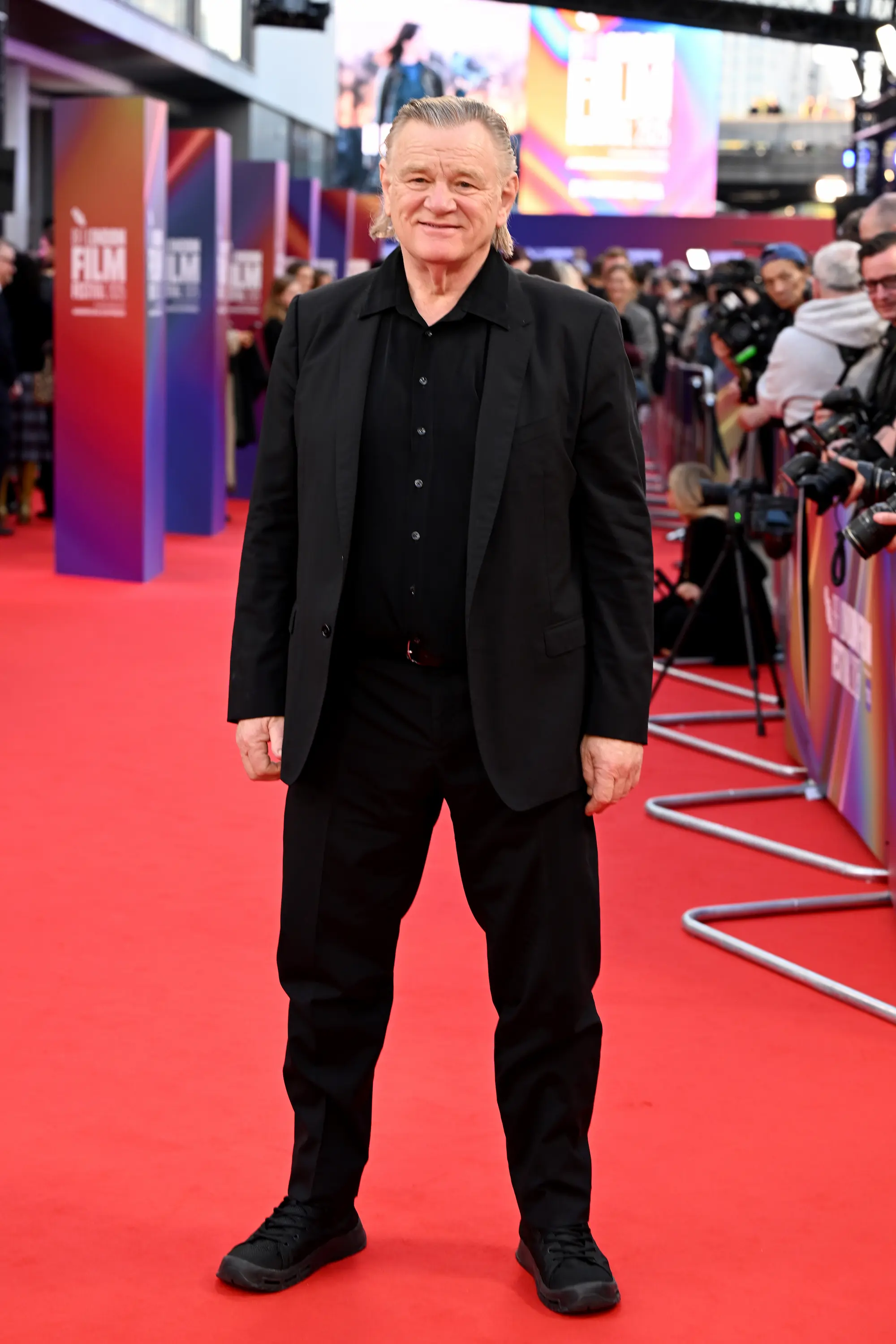
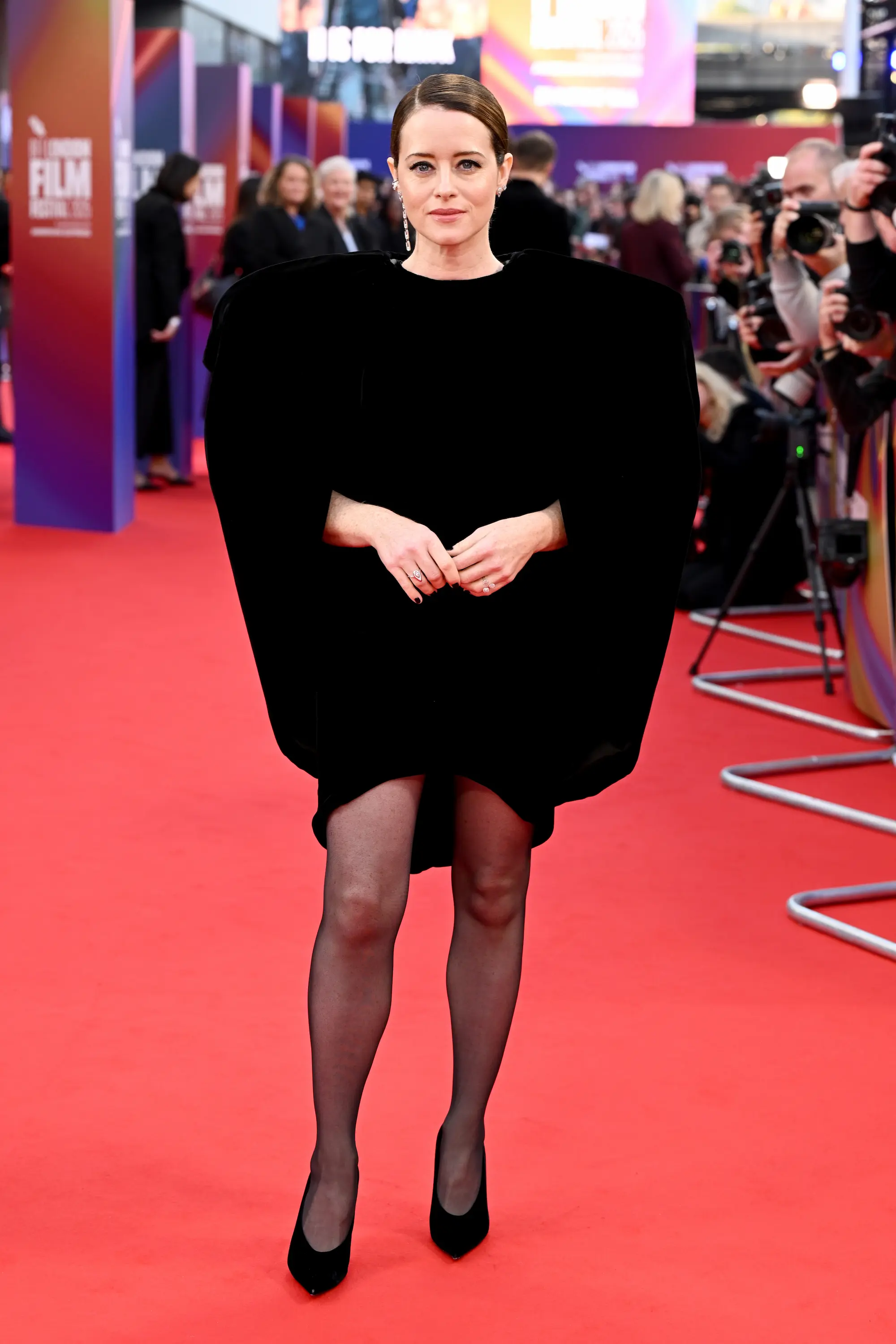
Red carpets and premieres – from Chloe Zhao’s Hamnet to Luca Guadagnino’s After the Hunt (featuring Julia Roberts) – offered a rich parade of talent and couture.
Elite Partnerships and Venues
Behind the glamour lies Britain’s venerable cinema establishment. The festival is organized by the British Film Institute – a national cultural charity – with core funding from the UK government and principal sponsorship by luxury brands. American Express continues as a top-tier partner (even naming an exclusive gala evening), while famed cruise line Cunard underwrites the festival’s prestige as “main sponsor”. Such partnerships underscore LFF’s dual character as a public institution and an elite event.
Screenings and galas span London’s most distinguished venues. The BFI’s Southbank Centre complex (home of the National Film Theatre and Royal Festival Hall) remains the beating heart of the festival. Here in the Festival Hall and NFT, filmmakers and VIP guests mingle under spotlights. In the West End, historic picturehouses – including the Curzon Soho and Mayfair cinemas, the Institute of Contemporary Arts, and the refurbished Odeon Luxe on Leicester Square – play host to premieres and competitions. Each venue combines modern projection with an aura of heritage: when audiences pass under the iconic Waterloo Bridge arch, they are literally walking the same halls that British film icon Princess Margaret once graced. Even free events and late-night “Expanded” showcases (immersive XR art and gaming lounges) carry the festival’s stamp of curation. For high-society attendees, every screening can feel like a private gathering – tickets to sold-out galas and “patrons’ circle” receptions are fiercely sought, and ticket sales directly support BFI’s education programmes and young filmmakers.
A Festival on the Global Stage
The BFI London Film Festival may be anchored in British soil, but its outlook is resolutely international. Each October, the eyes of the cinephile world turn to London alongside Cannes and Venice. Industry figures know that a positive London reception can launch a film into awards season, just as it helped introduce the UK to global classics in decades past. For guests, LFF offers the “undiscovered” – films from new voices or daring formats – alongside major studio and streaming titles.
For high-society audiences, the festival’s social currency is priceless. It reinforces London’s image as a cultural capital where film, fashion and heritage converge. More substantively, the festival’s charitable model – with VIP ticket funds bolstering the BFI’s mission – ensures that exclusivity and social good walk hand in hand.
In sum, the 2025 LFF was a celebration of film as both art and event. It reasserted that Britain’s grand film gala can still surprise and delight global tastemakers, while staying true to a 68-year tradition of combining culture, conversation and catwalk-calibre style. As the credits rolled on the closing-night fairytale 100 Nights of Hero, it was clear that London’s festivals season – and its society – had once again been treated to something truly special.